
A kitchen renovation does not have to wait until spring. For homeowners in Brookline, Newton, Chestnut Hill, and across Greater Boston, winter can be a practical time to update a kitchen—provided the project is planned around cold weather, household safety, and a realistic construction schedule.
The key is preparation. Before demolition begins, you need more than a design you love. You need a plan for materials, heating, dust control, inspections, and daily life without a working kitchen.
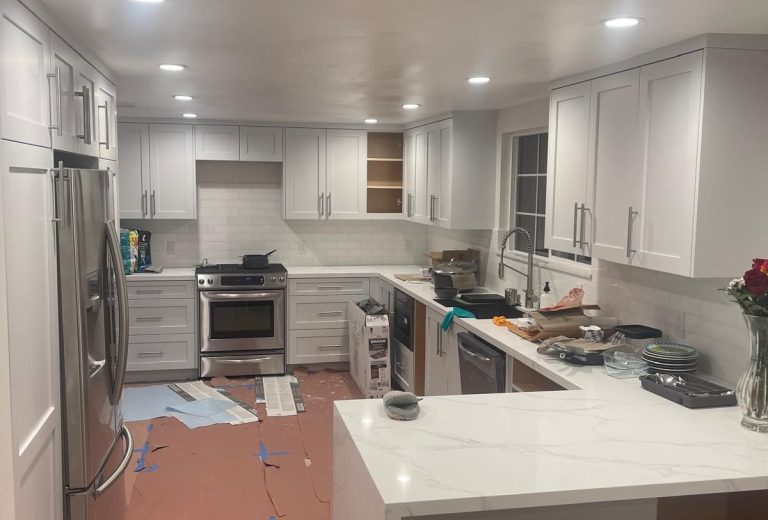
Many interior kitchen improvements can move forward during winter, including cabinets, countertops, backsplashes, lighting, and flooring.
Projects involving exterior walls, new windows, additions, or major structural changes need additional weather planning. Your contractor should explain how openings will be protected, how the home will stay heated, and which tasks depend on suitable outdoor conditions.
Before work starts, agree on the scope, responsibilities, payment milestones, and how unexpected conditions will be handled. Confirm who will arrange any required permits and inspections.
One of the most avoidable renovation problems is tearing out a kitchen before its replacement is ready.
Finalize your layout and confirm appliance dimensions, cabinet specifications, countertop selections, fixtures, and finishes early. Ask your contractor which materials need to be on-site before demolition and which can arrive later without holding up the next phase.
Winter weather can disrupt deliveries. Build flexibility into the schedule and arrange a dry, secure receiving area. Inspect delivered materials promptly so damage or missing items can be addressed before installation day.
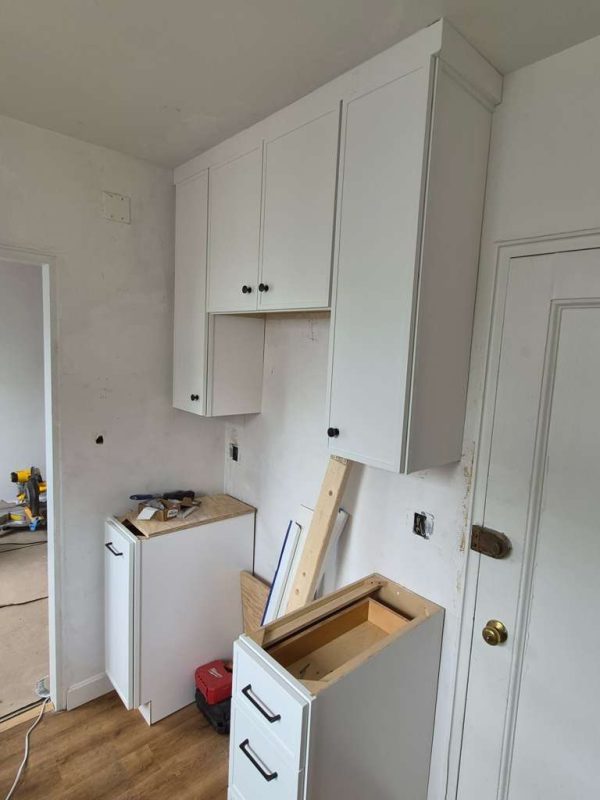
Cold weather makes it tempting to keep every window closed, but renovation dust and fumes still need proper control.
Ask your contractor for a plan that includes separating the work area from living spaces, capturing dust at its source, appropriate cleanup, and ventilation to the outdoors. Air filtration can support this plan, but it does not replace ventilation.
Exhaust equipment also needs careful planning around fuel-burning appliances to avoid drawing combustion gases into the home. Have the contractor account for this when setting up ventilation.
Keep children and pets away from construction areas. If effective separation cannot be maintained, discuss whether staying elsewhere during the dustiest work makes sense.
Greater Boston has many older homes, and demolition can uncover materials that require special handling.
If your home was built before 1978, discuss lead paint before anyone sands, cuts, or removes painted surfaces. Use a lead-safe certified firm for work covered by applicable renovation requirements.
Suspected asbestos-containing materials should be assessed by a qualified professional before they are disturbed. If the crew uncovers an unidentified material, stop work in that area and have it evaluated.
Identifying these issues early helps protect your household and avoids preventable interruptions.
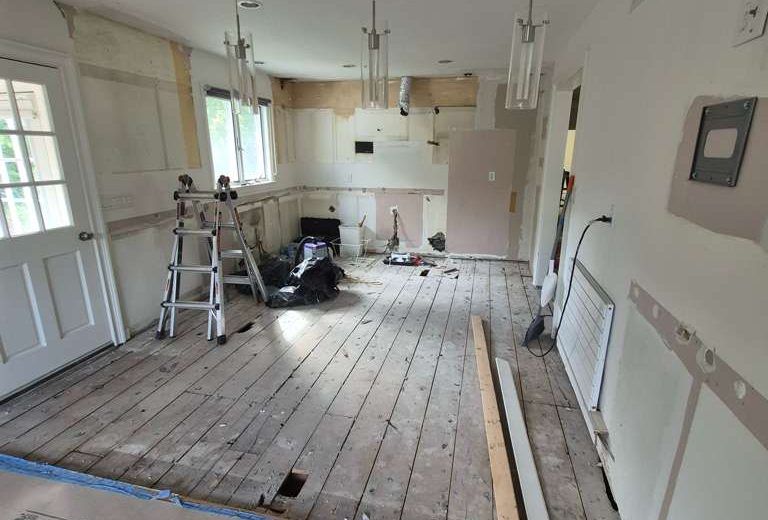
A winter remodel needs dependable heat, especially when plumbing or exterior openings are involved.
Your contractor should follow each product manufacturer’s temperature, humidity, storage, and curing requirements. Paint, adhesives, grout, flooring, and wood products may need controlled conditions before, during, and after installation. Rushing those steps can compromise the finished result.
If an electric space heater is used, plug it directly into a wall outlet, keep it at least three feet from combustible materials, and turn it off when sleeping or leaving it unattended. Keep smoke and carbon monoxide alarms working throughout the project.
Never use an oven or gas range to heat the home.
Set up a temporary kitchen outside the construction zone with a refrigerator, microwave, and basic supplies. Choose an area with suitable electrical capacity, keep appliances away from water, and avoid overloading outlets.
Outside, keep delivery routes and walkways clear of snow and ice. Inside, agree on floor protection and a routine for removing tracked-in moisture.
Maintain clear exits at all times. Tools, packaging, cabinets, and debris should never block your household’s escape routes.
A useful schedule explains what must happen before the next trade can begin. For example, countertop templating may depend on installed cabinets, while closing walls may depend on completed rough work and required inspections.
Ask for milestones covering demolition, plumbing and electrical work, inspections, installation, finishing, and final review. Include room for weather disruptions and concealed conditions.
Keep decisions moving with regular check-ins. Put changes in writing, including their effect on price and timing, before additional work proceeds. Leave electrical, gas, plumbing, and structural work to appropriately qualified professionals.
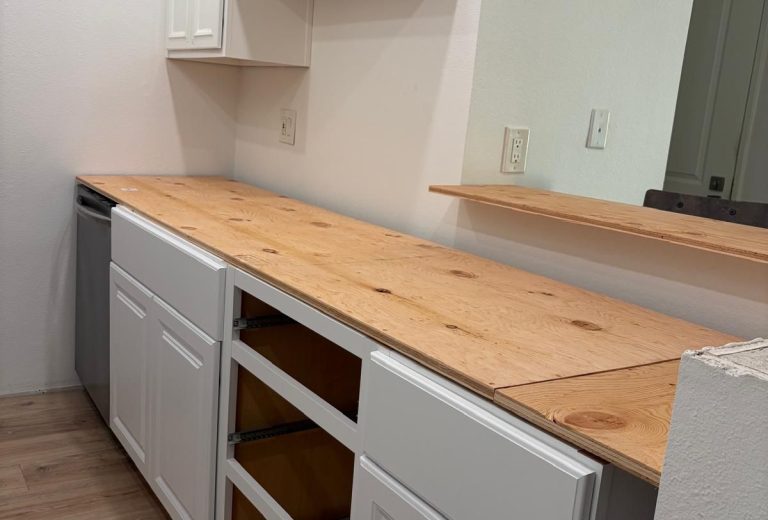
A project is ready to close when the details are resolved.
Walk through the kitchen with your contractor. Check cabinet doors and drawers, finishes, fixtures, and appliance operation. Confirm required inspections are complete, document remaining items, and collect care instructions and warranty information.
Winter remodeling succeeds when thoughtful planning carries through to the last adjustment.
Ready to make your kitchen work better for your home? Kitchen Nation serves homeowners in Brookline, Newton, Chestnut Hill, and surrounding Greater Boston communities.
Contact Kitchen Nation to discuss your ideas, project scope, and a realistic plan for your winter kitchen renovation.